




Have you ever pondered whether the soundtrack of World of Warcraft serves as more than just background music? As you traverse the ever-expanding realms of Azeroth, the auditory landscape has been meticulously crafted to evolve with your journey. It’s a subtle alchemy that blends nostalgia with innovation, ensuring each expansion not only brings new visuals but also an aural identity that complements the shifting narratives and environments. From the raw, MIDI-based melodies of the original release to the grandiose, fully orchestrated compositions of recent expansions, the soundtrack’s transformation mirrors the game’s own development. Uncover how these scores have not only set the stage for countless quests but have also become an integral part of the gaming experience, leaving you to wonder what auditory wonders the next chapter will hold.
Origins of Azeroth’s Melodies
Delving into the origins of Azeroth’s melodies, you’ll discover a rich tapestry of sound that has evolved to define the World of Warcraft universe. At the heart of this evolution lies the creative prowess of composers like Glenn Stafford, whose work you’ve heard underscore epic battles and tranquil landscapes alike. Stafford, alongside others such as Tracy W. Bush, crafted the early soundscapes that would become the backbone of Warcraft’s acoustic identity.
The lush orchestrations and ambient soundscapes that you lose yourself in while exploring Azeroth didn’t just appear out of thin air. They’re the result of meticulous composition and thematic evolution, which began in earnest with the game’s predecessors. With Warcraft III, the music took on a life of its own, setting the stage for what you experience in World of Warcraft. It’s not just background music; it’s a crucial part of the storytelling, a companion to your adventures.
Eímear Noone came aboard to bring her unique brand of musical magic to the World of Warcraft, further enriching the game’s auditory experience. Together, these composers have woven a soundscape as vast and engaging as the game world itself, ensuring your journey through Azeroth is always accompanied by an unforgettable score.
The Burning Crusade’s Audio Leap
As World of Warcraft expanded into uncharted territories with The Burning Crusade, so did its soundtrack, achieving new heights of auditory immersion. You, as an avid player, might’ve noticed the leap in not just the visual aesthetics but also in the sounds that enveloped you in this new adventure. The expansion raised the bar for decent video game music, setting a standard that resonated across the industry.
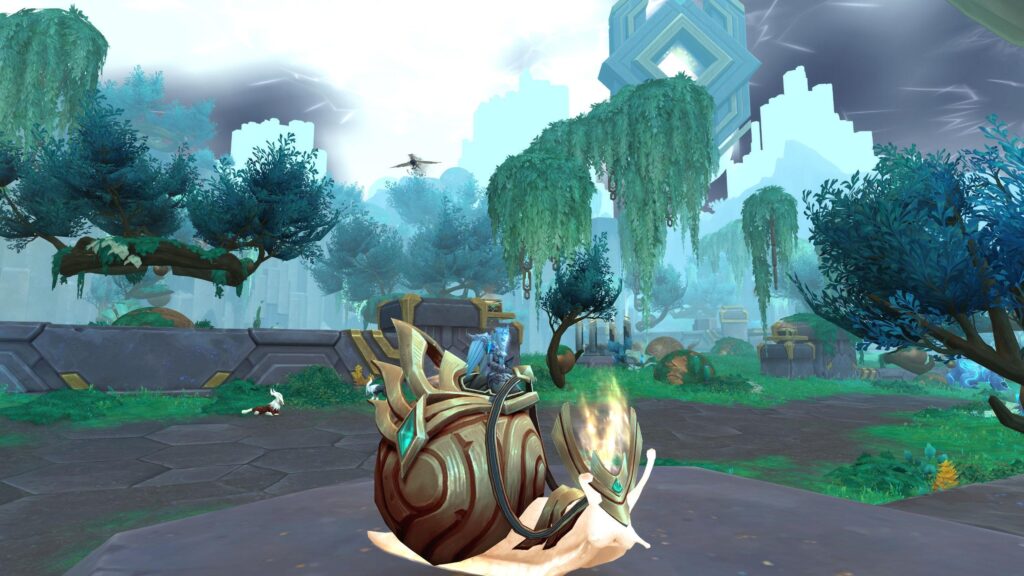
Here’s how The Burning Crusade’s soundtrack stood out:
- Richer Orchestration: With more strings, brass, and choral arrangements, the music gained depth, making every zone’s ambiance more distinct and memorable.
- Enhanced Audio Quality: The fidelity of recordings improved drastically, meaning you heard every note with crystal clarity, further drawing you into the world’s magic and mystery.
- Ambient Soundscapes: Beyond just tunes, the environmental sounds received a meticulous edit source treatment, creating a seamless blend between music and in-game sounds.
The Burning Crusade didn’t just play music; it crafted experiences tailored to the new realms you explored. Every raid, every quest, and every new encounter was enriched by a soundscape that elevated your gameplay to something almost cinematic. It was a symphony that you lived, breathed, and battled to.
Orchestral Expansions in Lich King
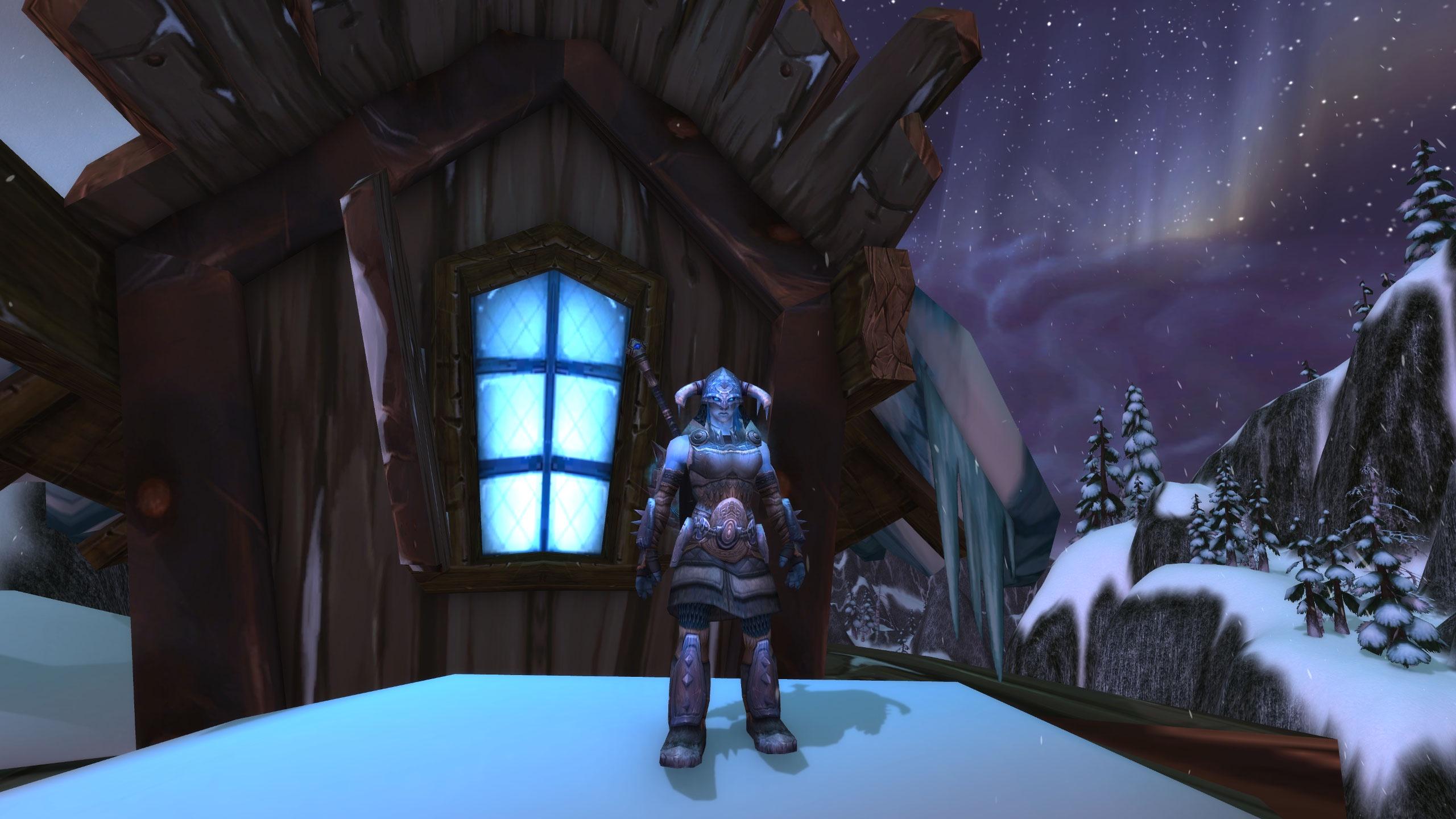
Building on The Burning Crusade’s audio advancements, World of Warcraft’s Wrath of the Lich King expansion introduced an even more sophisticated orchestral score to captivate players. You couldn’t help but be drawn into the icy reaches of Northrend, with a soundtrack that was bolder and more atmospheric than ever before. The music wasn’t just background noise; it was a living part of the narrative, shaping your adventures and battles against the undead Scourge.

Composers like Russell Brower expanded the game’s auditory horizons, incorporating full orchestras and choirs to bring a cinematic depth to your gaming experience. You’d notice the difference when you set foot in places like the Howling Fjord or Grizzly Hills. The melodies were rich, evoking a sense of grandeur and peril as you delved deeper into Arthas’ domain.
As you journeyed through this frozen wasteland, the music adapted, reflecting the story’s progression and the evolving challenges you faced. It wasn’t just about creating an epic feel; it was about weaving a musical tapestry that was as integral to the game as the quests and characters themselves. Lich King’s orchestral expansions weren’t just a treat for your ears; they became the beating heart of this chilling chapter in the World of Warcraft saga.
Mists of Pandaria’s Sonic Diversity
With the launch of Mists of Pandaria, players were treated to a soundscape as diverse as the expansion’s lush landscapes and rich lore. The expansion introduced you to the mystical land of Pandaria, a continent inspired by East Asian cultures, and the music was a celebration of this new aesthetic. You couldn’t help but notice the distinctive instruments and melodic structures that immediately transported you to a land of wonder and spirituality.
The soundtrack’s diversity is rooted in its:
- Cultural Infusions: From the use of traditional Chinese instruments like the erhu and pipa to the incorporation of throat singing, the music of Mists of Pandaria is a tapestry of cultural soundscapes.
- Emotional Range: Whether you’re exploring serene temples or engaging in fierce battles, the music dynamically shifts to match your experiences, enriching every facet of your in-game journey.
- Thematic Complexity: The themes of the soundtrack echo the complex narrative of the expansion, artfully blending the whimsical with the majestic, and the tranquil with the dark undertones of impending conflict.
As you ventured through the bamboo forests and towering peaks, the music of Mists of Pandaria wasn’t just background noise; it was an integral part of the storytelling, enhancing your connection to the world and its inhabitants.
Shadowlands: Revitalizing WoW’s Music
Continuing from the vibrant sonic tapestry of Mists of Pandaria, World of Warcraft’s Shadowlands expansion revitalizes the game’s music, enveloping players in aural dimensions as enigmatic as the realms of the afterlife it explores. The composers have woven a soundtrack that both honors the past themes and introduces new motifs. You’ll find that each zone’s music perfectly captures its essence, from the haunting hymns of Bastion to the brooding dirges of Revendreth.
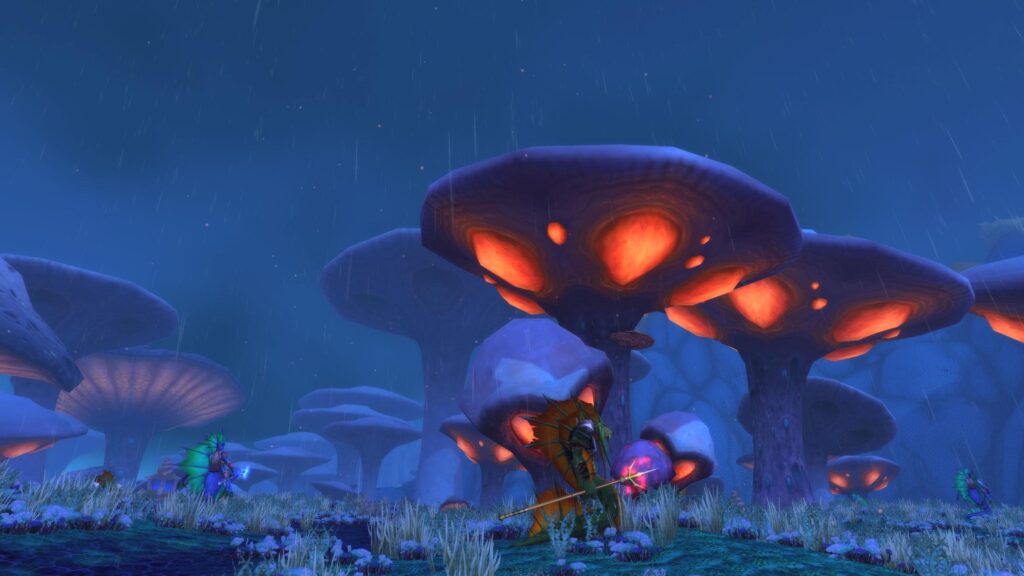
Let’s look at a table that encapsulates the musical evolution within Shadowlands:
| Zone | Musical Influence |
|---|---|
| Bastion | Ethereal choirs, angelic harmonies, and uplifting orchestration |
| Maldraxxus | Militaristic beats, eerie horns, and a sense of relentless power |
| Ardenweald | Mystical melodies, nature-inspired tunes, and a touch of whimsy |
This table shows how music in Shadowlands isn’t just background noise; it’s a central part of the experience, enhancing your immersion and emotional connection to the game. As you traverse the varied landscapes of the afterlife, the music shifts, reflecting the story’s depth and the diverse aesthetic of each zone. It’s a clear signal that the creators haven’t just recycled old themes; they’ve breathed new life into WoW’s soundscape, ensuring that the auditory experience is as rich and detailed as the visual one.
Frequently Asked Questions
How Has the Integration of Dynamic Music Systems Evolved Throughout World of Warcraft’s Expansions, Influencing Player Immersion and Gameplay Experiences?
You’ve noticed dynamic music systems in WoW have become more sophisticated, enhancing your immersion and gameplay with each expansion, making your adventures feel incredibly alive and emotionally resonant.
In What Ways Have Fan-Created Music and Community-Driven Content Influenced the Official World of Warcraft Soundtrack Development Over the Years?
You’ve seen fan-made music and community creations shape the official WoW soundtrack, with developers incorporating popular motifs and vibes that resonate with the player base into the game’s ever-evolving musical landscape.
What Role Have Voice Actors and Sound Designers Played in Enhancing the Narrative Depth of World of Warcraft’s Music and Overall Soundscape?
Voice actors and sound designers have immersed you in WoW’s world, giving life to characters and battles, deepening the game’s narrative through a rich, dynamic soundscape that’s vital to your gaming experience.
How Has Blizzard Entertainment Collaborated With External Musicians or Orchestras for Special In-Game Music Events or Promotional Soundtracks?
You’ve heard Blizzard team up with external musicians and orchestras to create epic in-game music events and promotional tracks, adding a grandeur to your gaming experience you won’t find just anywhere.
What Are the Technical Challenges Faced by the Audio Team When Remastering and Updating Classic Tracks for Modern Audio Systems Without Losing the Nostalgic Essence of the Original Compositions?
Imagine you’re restoring an old painting; you’ve got to modernize without distorting the original’s soul. The audio team’s challenge is blending tech advances with the classic tunes you’ve grown to love.