
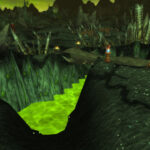
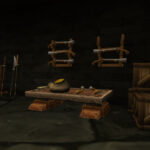
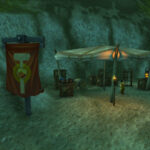

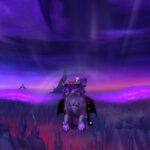
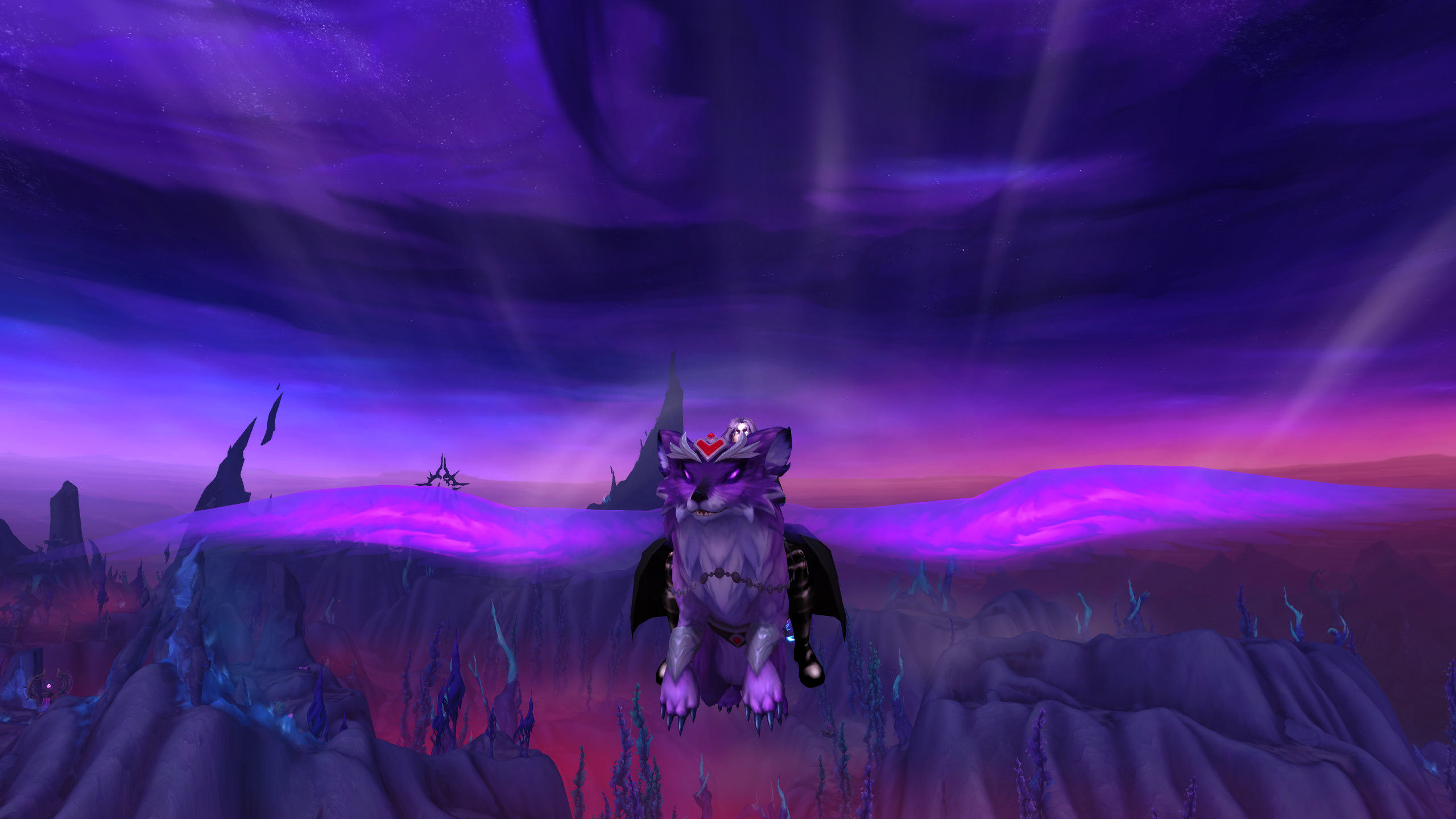

In the fast-paced world of live-service gaming, most titles are defined by seasons that vanish into the void. World of Warcraft stands out by refusing to throw its history away. By integrating its past into its present through scaling, transmog, and storytelling, it has crafted an experience that is constantly building on itself. This guide breaks down the methods WoW uses to prevent its past from becoming irrelevant, illustrating how a game can be both modern and timeless at the same time.
Systems of Perpetual Relevance
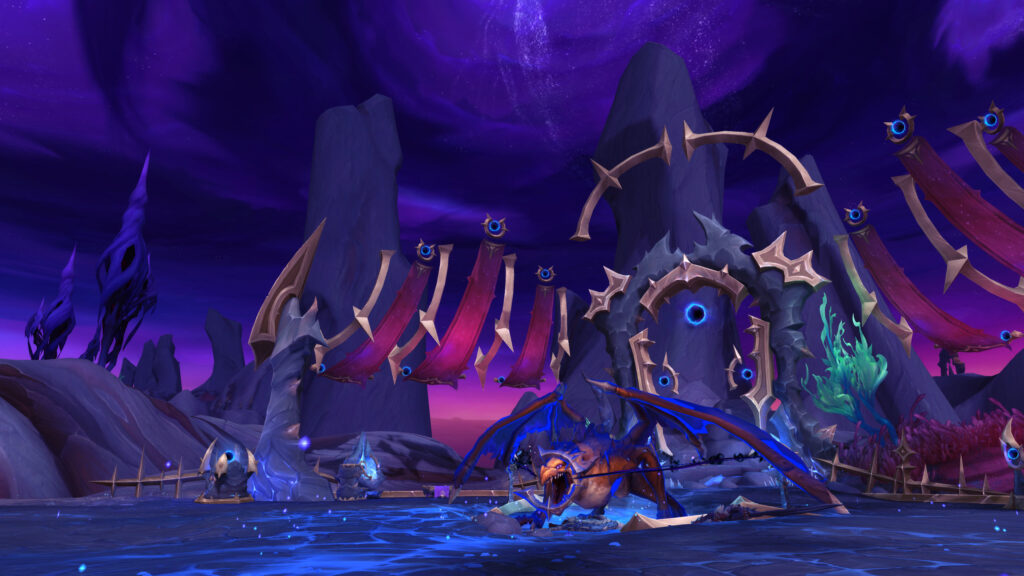
The most important tool for keeping the past alive is the separation of form and function. Transmog allows the art of 2005 to look just as good on a character today as it did when it was new. This system effectively saves thousands of armor and weapon designs from obsolescence. By ensuring that old gear never loses its visual utility, the game makes sure that the entire history of its art department is always being showcased in modern capital cities. This is a subtle but massive feat; it ensures that the game’s visual diversity only ever grows, never shrinks.
Another key is narrative layering. The game uses a living history approach, where major world events leave permanent marks on the map. A city that was destroyed in one expansion might be rebuilt in another, or a zone might be transformed by a war. This isn’t just resetting the server; it is building a chronicle. Players who pay attention to the world see it evolve. They know that the current state of a region is the result of everything that came before. This creates a deep sense of consequence that makes the world feel like it has actually lived through two decades of history, rather than just being a static set of levels.
Maintaining Mechanical and Visual Integrity
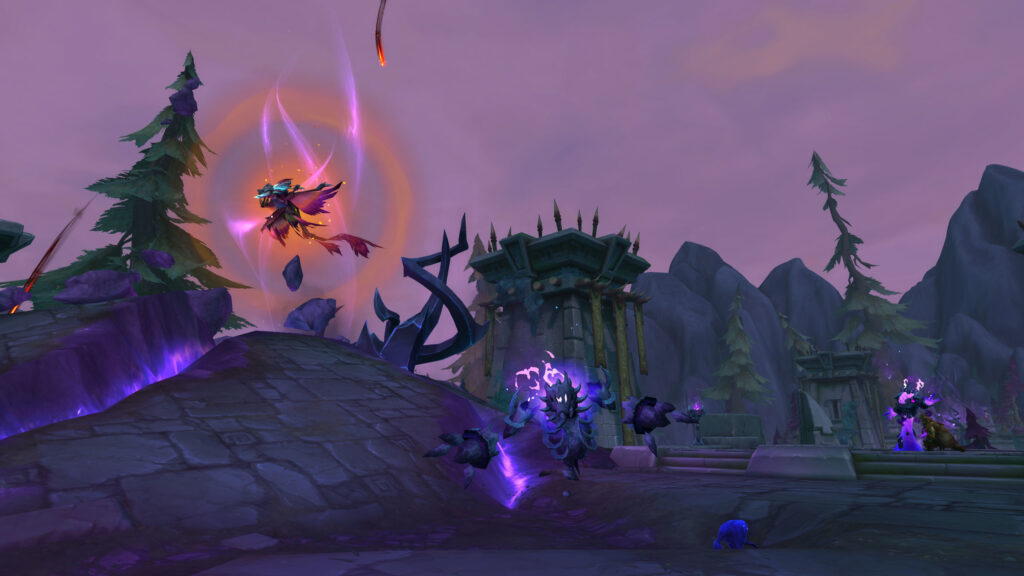
The game ensures that even when mechanics become outdated, they remain accessible. Whether it is through the legacy raid settings that allow for solo clearing or the level-scaling zones that adjust to your strength, you are never locked out of content based on your level. This allows for a freedom of movement that is vital for an open-world experience. You are not forced to stay on a linear track; you are allowed to be a traveler in a vast, historical landscape.
Methods of Historical Preservation
| System | Function |
|---|---|
| Transmogrification | Preserves the utility of historical art assets. |
| Narrative Layering | Uses previous events to define current world states. |
| Timewalking | Forces mechanical engagement with old design. |
| Achievement Systems | Rewards players for engaging with obsolete zones. |
Respect for Player Investment
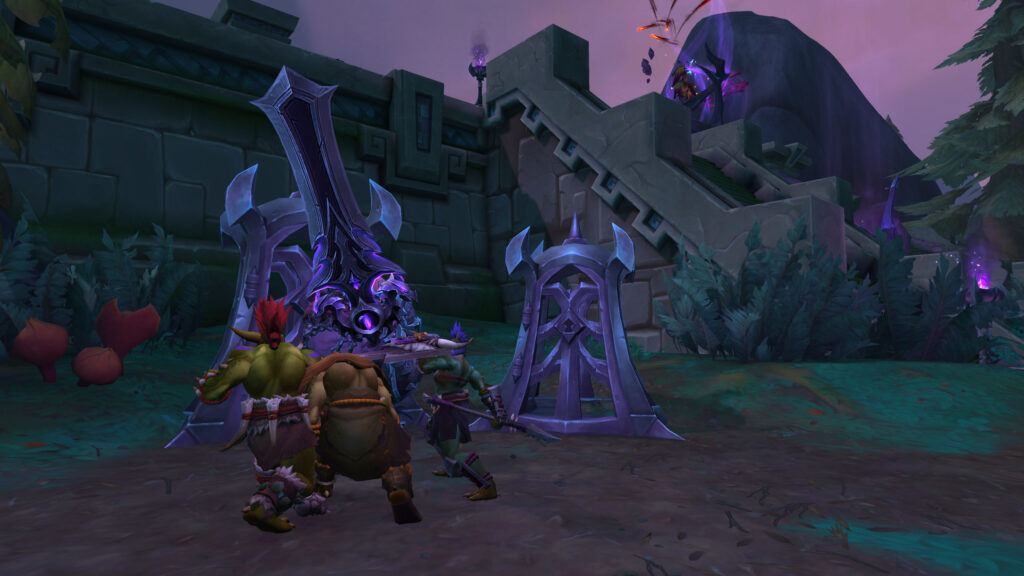
Ultimately, keeping the past alive is about respecting the player’s time. When a player logs in and sees their character wearing a sword they earned ten years ago, they feel a sense of continuity. By ensuring that progress, collections, and world state are all respected, the game maintains a bond with its audience. It is this commitment to the long game that allows WoW to outlast its competitors, proving that a game is only as good as the history it is willing to preserve.